
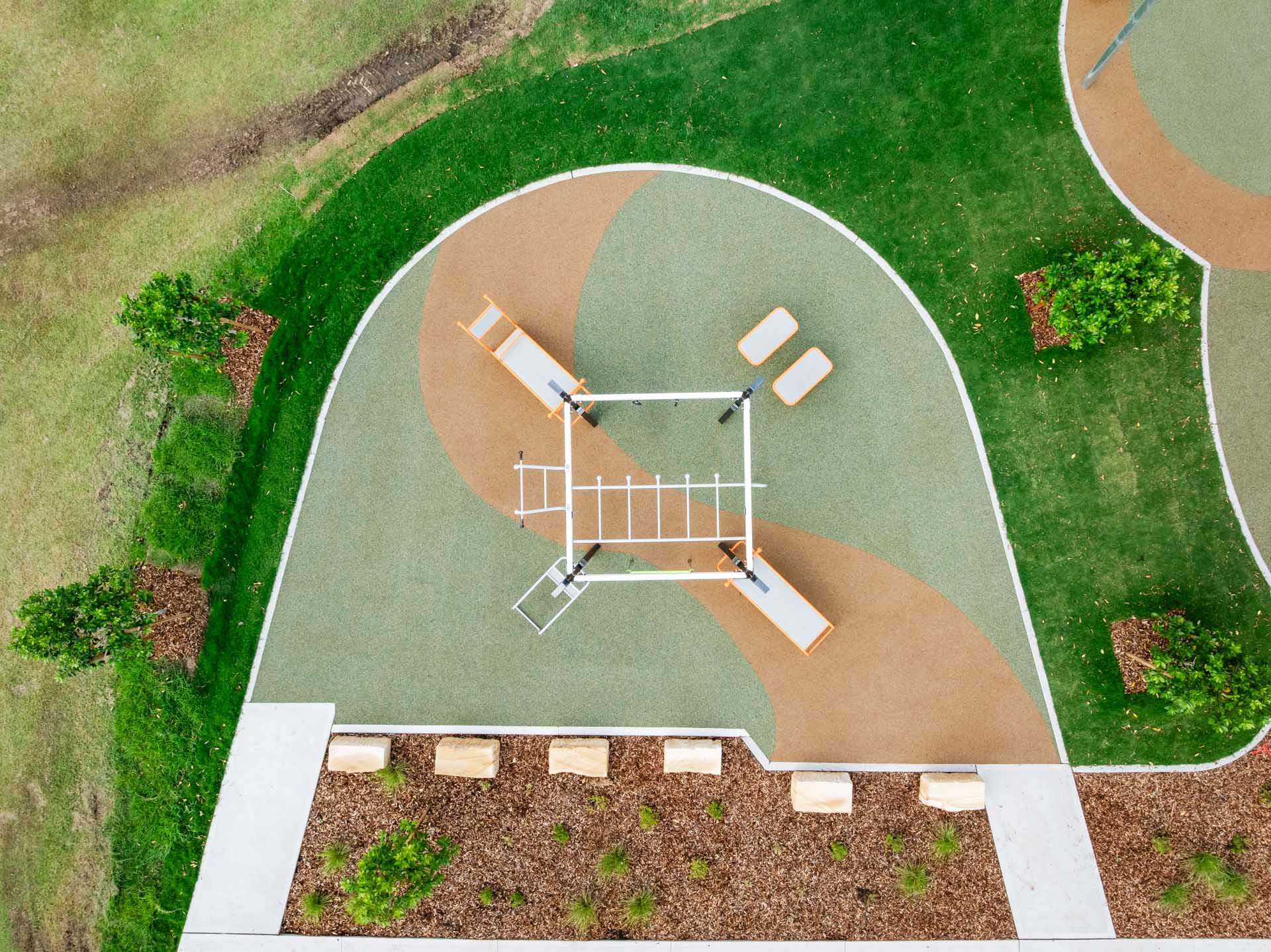
Planning a safe, functional outdoor fitness space starts with the right surface. Outdoor fitness equipment encourages movement and active recreation for users of all ages and abilities, making it essential to choose a surface that provides stability, durability and appropriate impact attenuation.
Different environments require tailored surfacing solutions. For example, fitness equipment installed in public parks, schools and community recreation spaces will have varying usage levels, user demographics and environmental considerations. Selecting the right surface helps maximise safety, accessibility and the long-term performance of the fitness area.
It’s also essential to ensure the chosen surfacing meets the requirements of AS 16630:2021, the Australian Standard for permanently installed outdoor fitness equipment, as well as any manufacturer-specific surfacing and installation requirements.
FAQs
Why do you need to think about surfacing for outdoor fitness equipment?
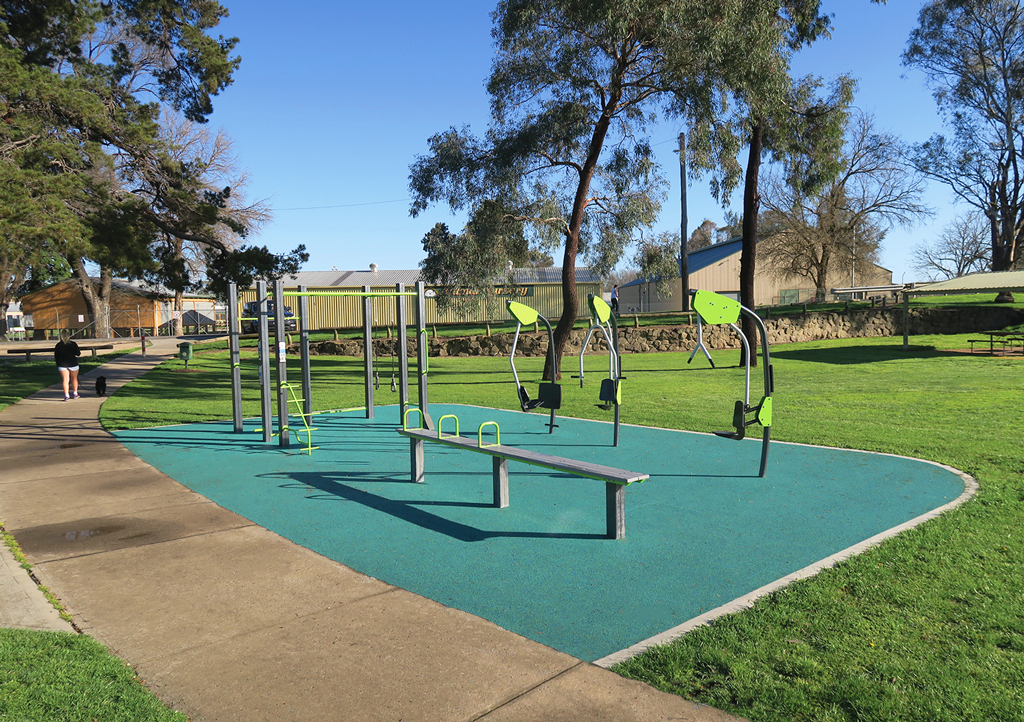
Outdoor fitness equipment encourages activities such as climbing, balancing, stepping and bodyweight exercises. Providing the right surface beneath and around the equipment is essential to support user safety, accessibility and long-term durability. In some cases, impact-attenuating surfacing may also be required depending on the equipment and its critical fall height.
What types of safety surfacing are available?
Playground safety surfaces typically fall into two categories:
Organic (natural) materials, such as mulch, bark chips or sand, can provide a natural appearance and are often cost-effective. However, they require regular maintenance to maintain their depth and consistency and may not be suitable for all fitness applications or accessibility requirements.
Synthetic (manufactured) materials, including poured-in-place rubber, synthetic grass, soft-fall tiles and bonded rubber mulch, offer excellent durability, accessibility and design flexibility. These surfaces typically involve a higher initial investment but require less ongoing maintenance and can provide improved stability for exercise activities. However, some manufactured surfaces can retain heat and become hot in direct sunlight, which may influence surface selection in warmer climates or fully exposed areas.
Which surfacing is best for your outdoor fitness project?
The ideal choice depends on your budget, intended users, maintenance preferences and the type of equipment being installed. It’s important to consider factors such as safety requirements, accessibility, durability, drainage and the overall user experience. Selecting the appropriate surface will help create a safe, functional and inviting fitness space that performs well over the long term.
ORGANIC PLAYGROUND SURFACE
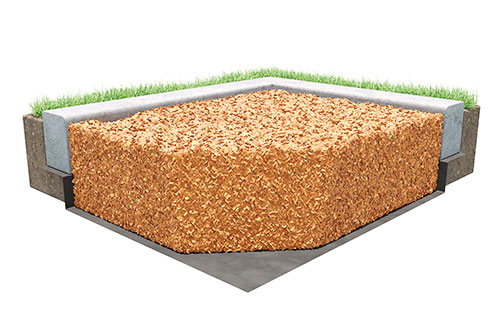
Mulch/Bark Chip
Lower cost and higher maintenance. Blends in with surroundings and softens the appearance.
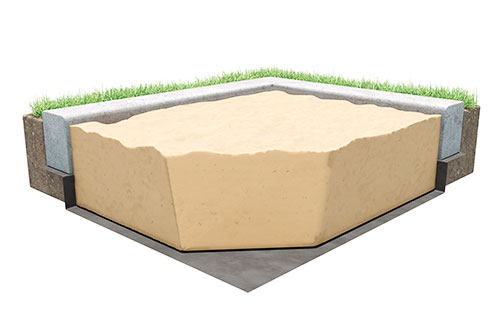
Sand
Medium/lower cost and higher maintenance.
Great for coastal locations, can be heat affected.
NON-ORGANIC PLAYGROUND SURFACE
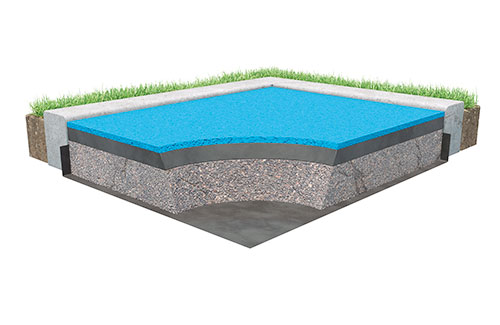
EPDM/Rubber
Higher cost and lower maintenance with options for pattern and colours.
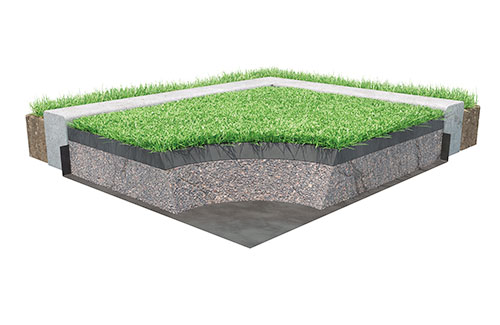
Synthetic Grass
Medium cost and lower maintenance.
Grass look with less pattern.
Soft Fall Surface Pricing Guide
| Type | Cost |
| Inorganic soft-fall (man-made) | $280m2 – $560m2 |
| Organic soft-fall (natural) | $90m2 – $130m2 |
| Timber border edge | $90m – $160m |
| Concrete border edge | $150m – $260m |
These are not UrbanFiT prices. These are generic industry rates as a rough guide as at June 2026.
Recent Blogs
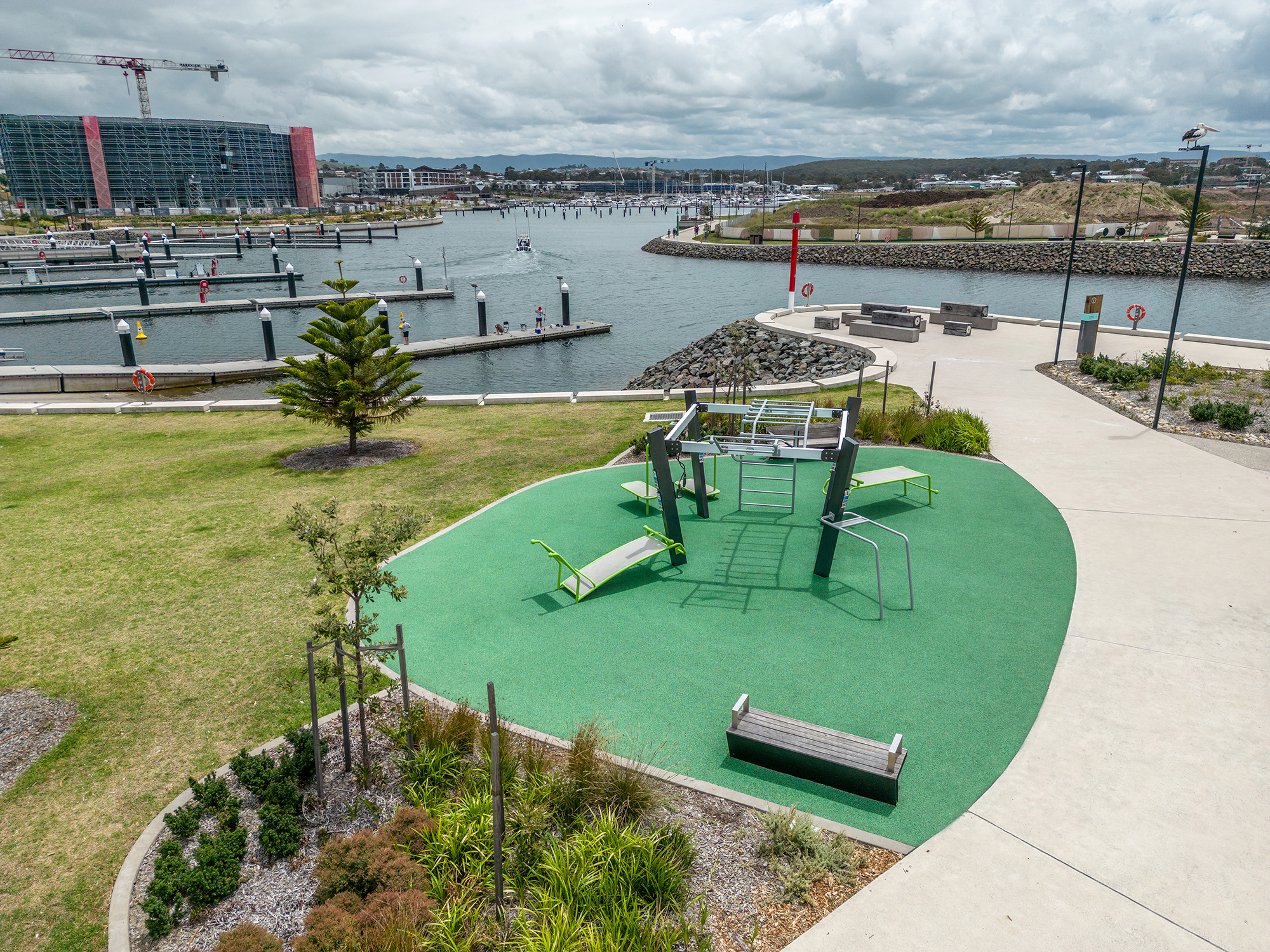
Maximising Community Health with Outdoor Fitness Equipment
In today’s fast-paced world, fostering community health has become more critical than ever. Public spaces and parks have the potential to become vital hubs for health and wellness, thanks to… [...]
Read More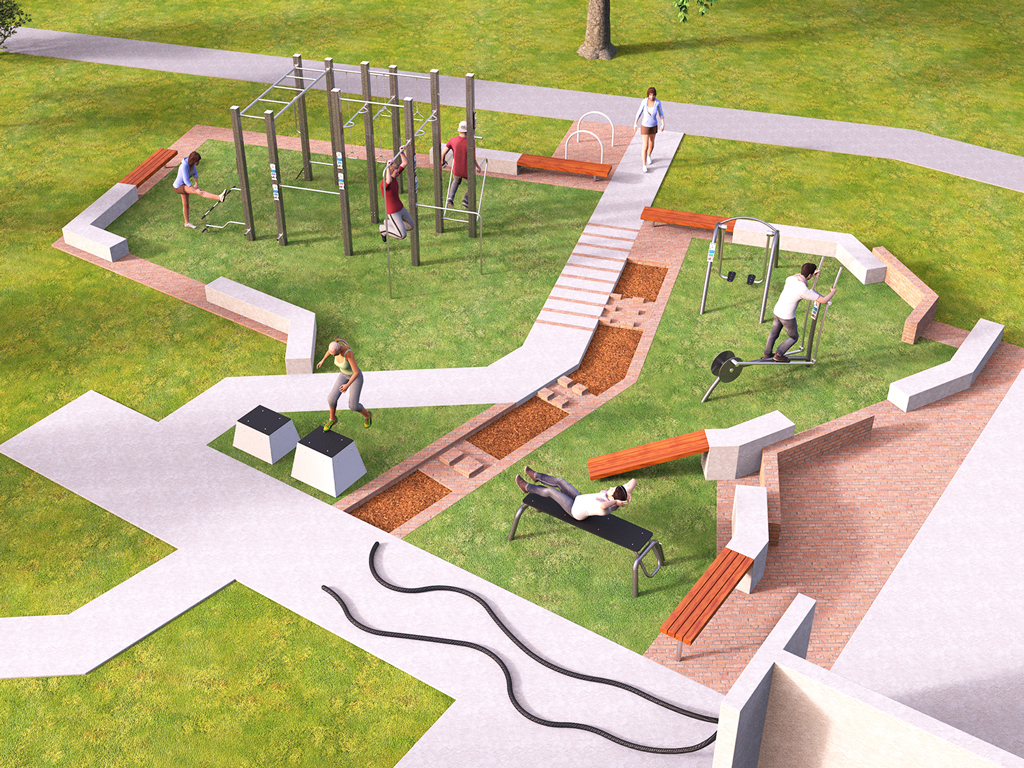
Accessible Fitness Parks 101: Outdoor fitness for councils
When designing an outdoor community fitness space, it is important to take into consideration all aspects of the area, including how often it is used, the mean age of users,… [...]
Read More